Being told you may need spine surgery can feel overwhelming. Many patients worry about pain, recovery time, and whether surgery will disrupt their daily lives. Minimally invasive spine surgery, often called MISS, is designed to…
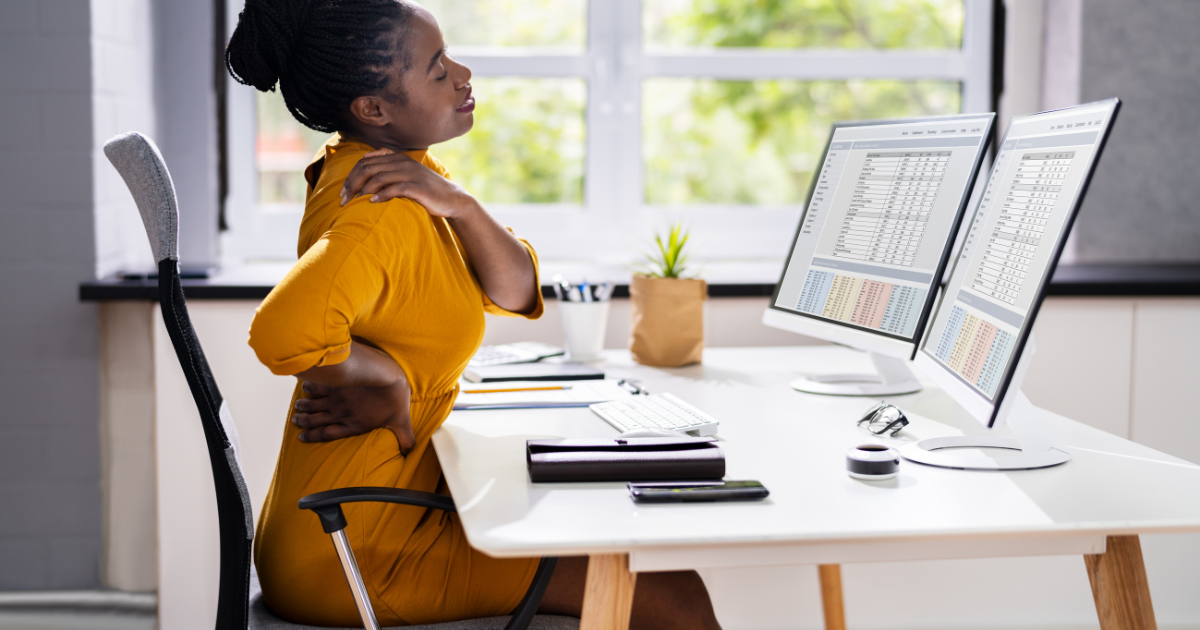
Back pain is incredibly common, and for many people it starts gradually. A sore lower back after a long day, stiffness in the morning, or discomfort after lifting something heavy can feel routine. But when pain doesn’t improve, or starts to change, it’s natural to wonder whether something more serious is going on.
Both a herniated disc and a muscle strain can cause back or neck pain. Correctly identifying the affected area and whether your pain is localized pain or radiating is crucial for effective treatment.
One of the most common questions spine specialists hear is: How do I know if this is a herniated disc or just back pain? While the symptoms can overlap, there are important differences that can help guide next steps.
Why Back Pain Isn’t Always “Just Back Pain”
Muscle-related back pain is far more common than disc injuries, but the two are often confused. That’s because both can cause discomfort in the same general area and may flare up with movement.
The key difference is where the pain is coming from. Muscle pain involves the soft tissues that support the spine, while a herniated disc involves structural changes that can place pressure on nearby nerves. A strained muscle refers to an affected muscle where muscle fibers have been overstretched or torn, resulting in localized pain. Muscle strains are characterized by damage to the fibers or tendons, and a muscle strain occurs when muscle fibers stretch beyond their limit and tear. When nerve involvement enters the picture, symptoms tend to behave differently and often require a different approach to treatment.
What Typical Muscle-Related Back Pain Feels Like
Muscle strain is one of the most frequent causes of back pain. It can happen after overuse, poor posture, or sudden movements.
A pulled muscle, or muscle strain, typically causes localized pain that is dull and aching. Muscle-related back pain often:
- Feels sore, tight, or achy rather than sharp
- Stays localized to the back
- Improves with rest, stretching, or gentle movement
- Gradually gets better over days or weeks
This localized pain from a pulled muscle is different from the sharp, radiating pain that is more typical of a herniated disc. While uncomfortable, this type of pain usually does not involve numbness, tingling, or weakness in the legs.
What a Herniated Disc Feels Like
A herniated disk (also called a slipped disc or, in severe cases, a ruptured disc) occurs when the soft, gel-like center (nucleus pulposus) of a spinal disc pushes through a tear in its tough outer layer, putting pressure on all the nerves housed within the spinal canal and potentially the spinal cord. This nerve compression can cause pain, numbness, tingling, and weakness in the affected areas, and pain may radiate to other parts of the body such as the arms or legs. Symptoms can vary depending on the location and severity of the herniated disc—some individuals may experience neck pain if the herniated disc is in the cervical spine.
People with a herniated disc may experience:
- Pain that radiates from the back into the leg or arm
- Tingling or numbness along a specific nerve path (nerve symptoms such as numbness or tingling are more commonly associated with a herniated disc than with a muscle strain)
- Weakness in the affected limb, which can affect fine motor skills and overall function
- Pain that worsens with bending, sitting, coughing, or lifting
Severe cases of herniated discs may involve significant muscle weakness and bowel or bladder issues. Cauda equina syndrome can occur if a ruptured disc compresses the nerves in the lower spinal canal, requiring immediate emergency medical care. Seek emergency care for severe weakness, loss of coordination, or loss of bowel/bladder control, as these can signal severe nerve compression.
Unlike muscle pain, herniated disc symptoms often feel more intense and persistent, especially when nerves are involved.
Key Differences Between Muscle Pain and Disc Pain
Although both conditions can cause discomfort, their patterns tend to differ.
Muscle pain is usually localized pain (confined to a specific area of the back or neck) and typically presents as a dull ache that improves with rest or gentle movement. In contrast, disc-related pain is often sharp and radiating, traveling down the leg or arm and may be accompanied by neurological symptoms like numbness or weakness. If pain continues beyond several weeks or begins affecting how you walk, sit, or sleep, it’s worth considering a deeper evaluation. If back pain persists for longer than one to two weeks, it is important to seek medical attention to determine the underlying cause.
Can a Herniated Disc Cause a Pinched Nerve?
Yes—and this is where confusion often arises. A herniated disc is one of the most common causes of a pinched nerve in the spine. When disc material presses against a nerve, it disrupts normal signaling, leading to pain, tingling, or weakness. In more severe cases, a ruptured disc can cause significant compression within the spinal canal, potentially affecting the spinal cord and resulting in emergency symptoms that require immediate medical attention.
However, not all pinched nerves are caused by herniated discs. Conditions such as spinal stenosis, arthritis, or muscle spasms can also compress nerves. That’s why identifying the exact source of compression matters when deciding on treatment.
How Doctors Diagnose the Difference
Distinguishing between muscle pain and a herniated disc requires more than symptom guessing. Spine specialists use a combination of physical examination, medical history, and imaging studies, such as MRI scans, to determine the cause of pain.
This diagnostic process helps avoid unnecessary treatments and ensures that care is focused on what will actually provide relief. For patients unsure where to begin, OLSS offers a guided Condition Check to help clarify possible causes based on symptoms.
Physical Therapy and Other Treatment Options Based on the Diagnosis
Treatment depends on whether pain is muscular or disc-related. Muscle strains often respond well to rest, physical therapy, posture correction, and anti-inflammatory medications, including over-the-counter options, as part of initial treatment approaches. Repetitive motion can contribute to both muscle strain and herniated disc symptoms.
Herniated discs may also improve with conservative treatment approaches, which often include rest, over-the-counter pain relievers, and working with a physical therapist. Gentle movement coupled with an over-the-counter pain reliever helps most people feel better in a few weeks. If conservative treatments do not resolve symptoms, surgical intervention may be necessary. Treatment options for herniated discs typically begin with conservative approaches before considering surgery. When symptoms persist or worsen, minimally invasive procedures may be recommended to relieve nerve pressure. OLSS provides a full range of back pain treatment options tailored to each diagnosis.
Spine Care and Prevention
Taking care of your spine is absolutely crucial for avoiding those painful issues like herniated discs, muscle strains, and degenerative disc disease. Whether you’re currently dealing with some nagging back pain or you’re smart enough to want to prevent future problems, being proactive about your spine health can make all the difference in the world.
Here’s the thing: a personalized treatment plan—and we’re talking about combining physical therapy, smart pain management strategies, and some key lifestyle adjustments—can really help you tackle that back pain, leg pain, and muscle weakness that comes with spinal problems. For most people, physical therapy becomes the foundation of both getting better and staying better. It’s all about strengthening those back muscles, improving your flexibility, and dramatically reducing your chances of future disc herniation or muscle strain.
Now, understanding exactly how a herniated disc happens can really help you protect your spine going forward. Picture this: each spinal disc has this tough outer shell that wraps around a gel-like center. When that outer layer gets weak or tears maybe from heavy lifting, sudden movements, or just repetitive stress over time, that inner material can push right out and press on the nerves nearby. This disc herniation can cause pain, numbness, tingling, or muscle weakness, and in some rare cases, it might lead to serious complications like cauda equina syndrome. Warning signs such as numbness, tingling, or weakness in your legs, losing bladder control, or severe back pain should get you to a doctor immediately—we’re talking emergency surgery territory here.
Prevention starts with your everyday habits. Maintain good posture, don’t lift heavy objects the wrong way, and use proper body mechanics to protect that spine of yours. Regular exercise (especially routines that really target your core and back muscles) can help support your spine and cut down your injury risk significantly. Taking breaks to stretch, being mindful of sudden movements, and addressing any back pain early can also help you avoid more serious issues down the road.
If your symptoms stick around or you start noticing other red flags like radiating pain, muscle weakness, or changes in bladder control, it’s time to consult with spine specialists for an accurate diagnosis. A physical examination and imaging tests can help pinpoint what’s going on. A tailored treatment plan ranging from nonsteroidal anti-inflammatory drugs to physical therapy or, in severe cases, surgical intervention can be developed to address exactly what you need.
Prioritizing spine care and prevention doesn’t just help reduce your risk of herniated discs and muscle strains, it supports a healthy, active lifestyle that keeps you moving. Regular check-ups and following your healthcare provider’s recommendations can ensure that any spinal issues get caught early and managed effectively, keeping you comfortable and mobile for years to come.
When Back Pain Signals the Need for Specialist Care
Some signs suggest that back pain may be more than a muscle strain:
- Pain that lasts longer than several weeks
- Numbness, tingling, or weakness in the legs
- Pain that worsens with sitting or bending
- Difficulty walking or maintaining balance
If these symptoms appear, early evaluation can help prevent further nerve irritation and support better outcomes.
Clear Answers Through Accurate Diagnosis
Living with unresolved back pain can be stressful, especially when symptoms begin to interfere with daily life. Whether pain is caused by a herniated disc, muscle strain, or another spinal condition, a clear diagnosis is the foundation for effective treatment.
At Orthopedic & Laser Spine Surgery, specialists focus on identifying the true source of pain and developing personalized care plan from conservative therapies to minimally invasive solutions. With the right guidance, many patients find clarity, relief, and a path forward without unnecessary delay.