
Patients searching for spine surgery in Florida are often weighing several concerns at the same time. They want relief from ongoing pain, but they also want to understand recovery, procedure options, and whether surgery can…
Recovery is often the first concern patients have when considering spine surgery. Many expect a long and difficult process, shaped by older surgical techniques that required larger incisions and more disruption to muscle and tissue.
That expectation does not reflect how modern procedures work.
Laser spine surgery focuses on precision. The goal is to address the source of nerve compression while minimizing impact on surrounding structures. This approach changes not only how the procedure is performed, but how recovery unfolds.
For many patients, the experience is very different from what they anticipated.
The First 24 Hours After Surgery
Most patients return home the same day.
This alone shifts the tone of recovery. Being in a familiar environment reduces stress and allows for a more comfortable start. Pain is present, but it is typically described as manageable rather than overwhelming.
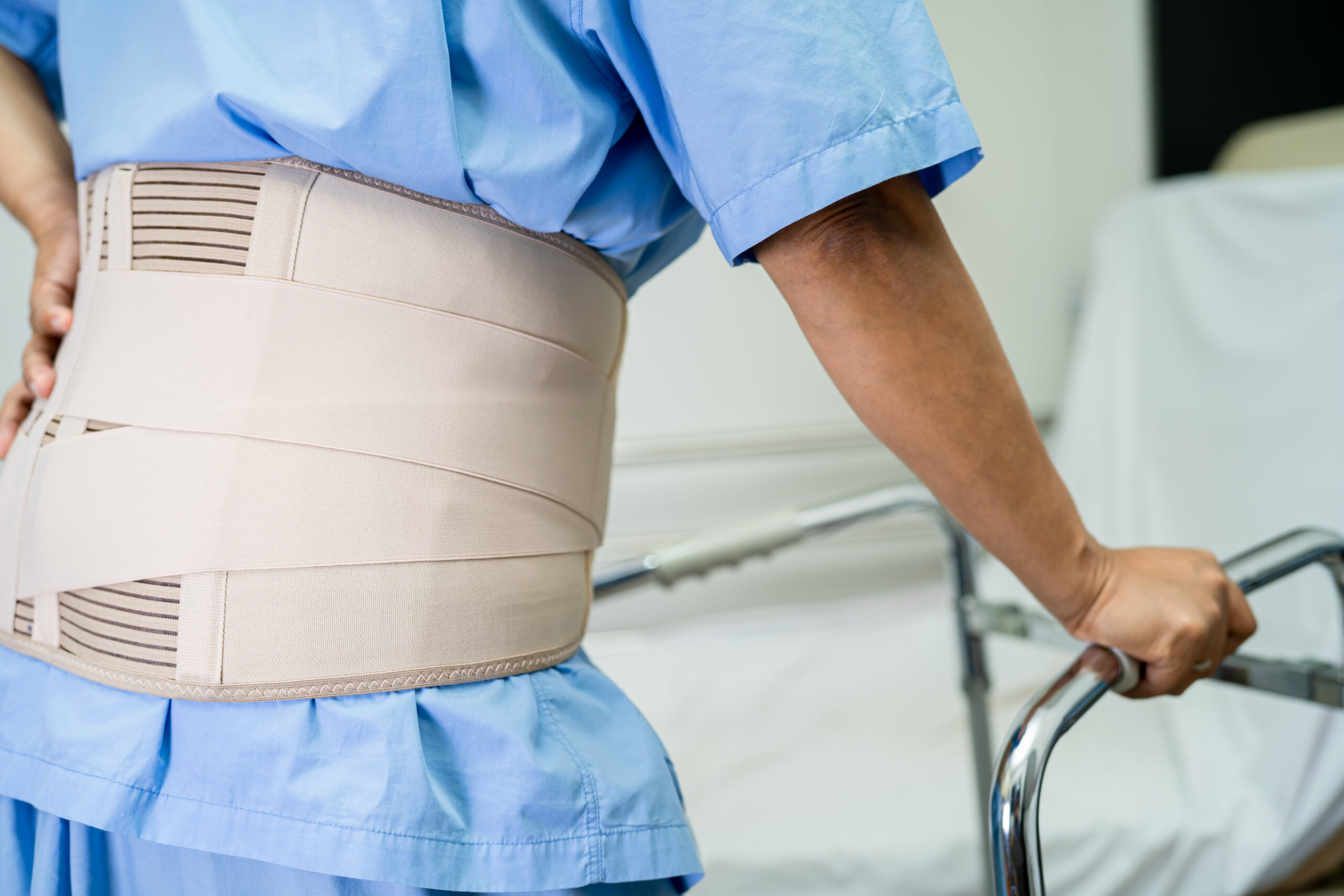
Movement begins early. Patients are encouraged to stand and walk within hours of the procedure. This is not a precaution; it is part of the recovery process.
Gentle movement supports circulation and reduces stiffness. It also helps the body transition from a surgical state back into normal function.
The focus during this period is not intensity. It is consistency. Short, frequent movement is more effective than prolonged rest.
Understanding Early Discomfort After Surgery
It is important to distinguish between surgical discomfort and the symptoms that existed before the procedure.
The surgical site may feel sore. Muscles around the area may feel tight. This is expected and reflects the body’s response to the procedure.
At the same time, many patients notice a change in their nerve-related symptoms. The sharp, radiating pain that defined their condition often improves quickly. In some cases, relief is immediate. In others, it develops gradually over several days.
This difference matters.
Not all discomfort indicates a problem. Some is part of the normal healing process. Understanding that distinction helps patients interpret what they are feeling without unnecessary concern.
The 1st Week: Establishing Movement Without Strain
The first week focuses on maintaining movement while protecting the spine.
Walking becomes the primary form of activity. Short, frequent walks are encouraged throughout the day. This supports circulation and helps prevent stiffness without placing excessive strain on the surgical site.
At the same time, certain movements are limited. Sitting for extended periods is discouraged because it increases pressure on the lower spine. Bending, lifting, and twisting are also avoided during this stage.
Patients often notice steady improvement, but recovery is not perfectly linear. Some days feel easier than others. This variation reflects how the body responds to healing.
The most important factor during this phase is restraint. Feeling better can create the temptation to do more than the body is ready for. Avoiding that impulse helps prevent setbacks.
How the Body Responds to Nerve Decompression
Relieving pressure on a nerve does not always produce immediate, complete resolution of symptoms.
When a nerve has been compressed, it often develops inflammation and sensitivity. Even after the source of compression is removed, the nerve may require time to recover.
Patients may continue to experience tingling or mild discomfort during this period. This does not indicate that the procedure was unsuccessful. It reflects the time required for normal nerve function to return.
The duration of this phase varies. Patients who experienced symptoms for a longer period before surgery may take more time to recover fully.
Understanding this process helps set realistic expectations.
Weeks 2 Through 6: Gradual Improvement in Function
As healing continues, most patients begin to notice consistent improvement.
Walking becomes easier. Daily activities require less effort. Sleep improves as discomfort decreases. At this stage, many patients feel a sense of normalcy returning.
This phase often includes a transition toward more structured rehabilitation. Strengthening the muscles that support the spine becomes a priority. These muscles play a direct role in maintaining stability and reducing the likelihood of future issues.
Patients may begin working with guided programs such as those offered through to support recovery.
Progress during this period builds confidence. Patients begin to trust their movement again, which is an important part of returning to normal activity.
Returning to Daily Activities
One of the most common questions patients ask is when they can return to normal life.
The answer depends on the individual and the demands of their daily routine.
Light activities often resume relatively quickly. Tasks that involve sitting may be possible within days to weeks, depending on comfort and posture. More physically demanding activities require more time and a gradual progression.
The goal is not to return as quickly as possible. It is to return in a way that supports long-term success.
Patients who progress steadily tend to avoid setbacks and experience more consistent outcomes.
What Recovery Does Not Look Like
Recovery from laser spine surgery does not involve prolonged inactivity.
Extended bed rest is rarely recommended. Avoiding movement entirely can lead to stiffness, reduced circulation, and slower overall recovery.
At the same time, recovery does not mean immediate return to full activity. Even though pain may decrease quickly, the spine still requires time to stabilize and adapt.
Balancing these two factors is key. Controlled movement supports healing. Excessive activity can delay it.
Understanding this balance helps patients move through recovery more effectively.
Long-Term Outcomes and Expectations
Most patients experience meaningful improvement in the symptoms that led them to surgery.
Pain decreases. Mobility improves. Daily activities become more manageable. For many, this represents a return to a level of function that had been limited for months or longer.
Long-term success depends on more than the procedure itself.
Strength, posture, and movement patterns all influence how the spine performs over time. Surgery addresses the immediate source of nerve compression, but ongoing care supports the result.
Patients who maintain these habits tend to experience more stable outcomes.
Why Minimally Invasive and Laser Techniques Change Recovery
Traditional spine surgery often required significant disruption to surrounding tissue. This contributed to longer recovery times and more postoperative discomfort.
Laser spine surgery takes a different approach.
By focusing on precision, it minimizes damage to muscles and other structures. This allows the body to recover more efficiently. Patients often experience less pain after the procedure and return to activity sooner.
OLSS specializes in that are designed to address the problem directly while preserving surrounding tissue.
This approach does not eliminate recovery, but it changes the experience in a meaningful way.
Final Thoughts on Laser Spine Surgery Recovery
Recovery after laser spine surgery follows a clear progression.
Early movement supports healing. Gradual increases in activity restore function. Strength and stability develop over time.
Patients who understand this process tend to move through recovery with more confidence and fewer setbacks.
If you are considering spine surgery or preparing for recovery, understanding what to expect can make the process more manageable and more predictable.