
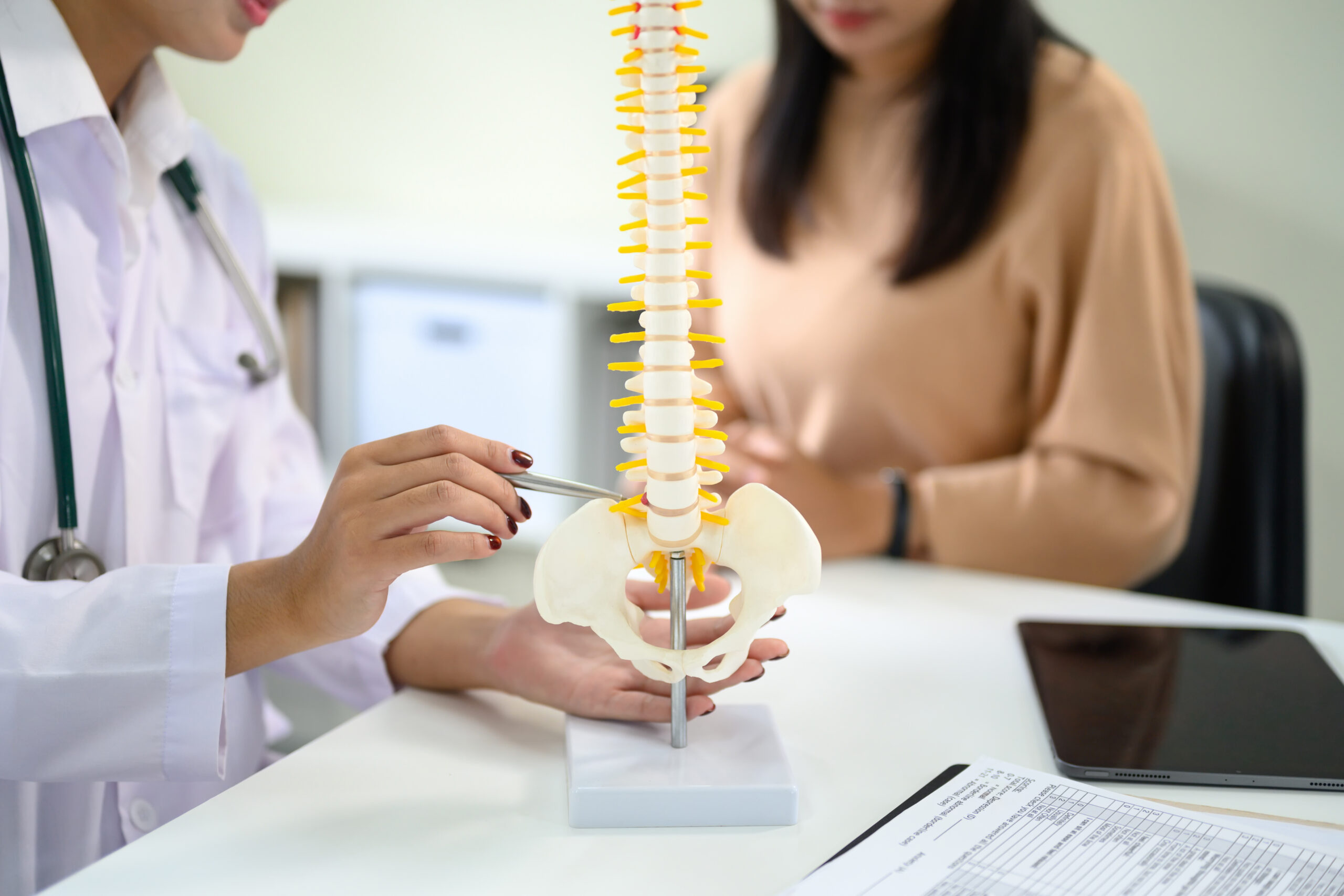
Patients searching for spine surgery in Florida are often weighing several concerns at the same time. They want relief from ongoing pain, but they also want to understand recovery, procedure options, and whether surgery can…
Spinal stenosis is not the result of a single injury. It develops gradually as the structures within the spine change over time.
Discs begin to lose height. Joints thicken. Ligaments become less flexible. In some cases, bone slowly grows into areas that were previously open. These changes reduce the available space within the spinal canal.
As that space narrows, the nerves that travel through the spine have less room to function.
In the early stages, the body adapts. Nerves still transmit signals. Muscles compensate. Symptoms remain mild or inconsistent. Many patients assume the discomfort is temporary or related to muscle strain.
They wait. They adjust activity. They expect improvement.
The challenge is that spinal stenosis does not reverse on its own. It reflects a structural narrowing. Without intervention, that narrowing tends to progress.
Why Early Symptoms Are Often Dismissed
The initial signs of spinal stenosis are subtle.
Pain may appear after activity and disappear with rest. There may be a mild sense of heaviness in the legs after standing for longer periods. Tingling may come and go without a clear pattern.
At this stage, symptoms rarely interfere with daily life in a significant way. Patients continue with their routines, making small adjustments without giving it much thought.
This is why many cases go unaddressed early.
The condition feels manageable. It does not demand attention. Yet the underlying process continues, even when symptoms seem mild.
Why Walking Becomes More Difficult Over Time
One of the most recognizable patterns in spinal stenosis involves walking.
Patients often describe a gradual change rather than a sudden limitation. At first, they can walk without difficulty. Over time, discomfort begins to appear after several minutes. Eventually, the distance they can walk becomes shorter.
Standing in place may feel just as uncomfortable as walking.
Relief often comes from sitting or leaning forward. This posture slightly opens the spinal canal, creating more space for the nerves. Standing upright narrows that space, increasing pressure.
This pattern is not coincidental. It reflects how the structure of the spine affects nerve function.
Conditions evaluated through often show this type of narrowing clearly.
The Shift From Intermittent to Constant Symptoms
In the earlier stages of spinal stenosis, symptoms fluctuate. They respond to activity and improve with rest.
As the condition progresses, that pattern changes.
Nerve compression becomes more consistent. Symptoms linger longer and become more predictable. Pain may shift from occasional discomfort to a more constant presence. Sensory changes such as numbness may no longer fully resolve.
This transition marks a turning point.
It indicates that the space available for the nerves has decreased to a level where normal function is no longer sustainable.
What Happens to the Nerves Over Time
Nerves depend on space, blood flow, and freedom of movement to function properly.
When compression persists, several changes occur. Blood flow to the nerve may decrease. Signal transmission becomes less efficient. Inflammation can develop around the compressed area.
Over time, these changes begin to affect both sensation and movement.
Patients may notice that their legs feel weaker. Balance may become less reliable. Coordination may decline gradually, then more noticeably.
Because these changes develop slowly, they are often easy to overlook. Patients adapt without realizing how much function has been affected.
When Mobility Begins to Decline
Spinal stenosis affects more than pain. It changes how patients move through daily life.
Activities that once felt routine begin to require adjustment. Standing in line may require shifting positions. Walking through a store may involve frequent stops. Longer outings become less appealing due to uncertainty around symptoms.
This gradual reduction in mobility can affect independence.
The condition may not feel severe at any one moment, but its cumulative impact becomes significant over time.
Advanced Stenosis and Functional Limitations
As spinal stenosis progresses further, limitations become more pronounced.
Walking distance may decrease to only a few minutes. Standing may feel unstable or uncomfortable. Some patients describe a heaviness in the legs that makes movement feel effortful.
At this stage, pain is not always the primary issue.
Instead, it becomes a combination of weakness, numbness, and fatigue that limits activity. The condition shifts from uncomfortable to restrictive.
Severe Compression and Neurological Risk
In more advanced cases, the effects of spinal stenosis extend beyond discomfort and mobility.
Significant compression of the spinal cord or nerve roots can lead to more serious neurological changes. Coordination may decline. Reflexes may change. In rare cases, bowel or bladder function may be affected.
These symptoms require immediate evaluation.
They indicate that the level of compression has reached a point where normal nerve function is at risk.
Why Timing Matters in Treatment
Timing plays a critical role in spinal stenosis outcomes.
Early intervention can slow progression and preserve function. At this stage, treatment often focuses on improving mobility, reducing inflammation, and supporting the spine.
As the condition advances, treatment shifts.
Later intervention can still relieve pressure on the nerves, but it may not fully restore what has already been lost. Nerve tissue does not always recover completely after prolonged compression.
This is why waiting too long can affect long-term results.
The goal is not to treat every case aggressively. It is to recognize when the condition has moved beyond what conservative care can manage.
When Surgery Becomes Part of the Conversation
Surgery for spinal stenosis focuses on restoring space within the spine.
This may involve removing small portions of bone or ligament that are pressing on the nerves. In some cases, stabilization is required if the spine has become unstable.
Modern techniques allow this to be done with greater precision.
OLSS specializes in that reduce disruption to surrounding tissue. These approaches often result in shorter recovery times and a more controlled postoperative experience compared to traditional surgery.
Surgery is not always necessary. However, when mobility declines and symptoms progress, it often provides the most reliable path to relief.
Spinal Stenosis Progression Can Be Successful
Spinal stenosis does not remain static. It progresses gradually, often without drawing attention early on.
The challenge is not recognizing the condition once it becomes severe. It is identifying the point where it begins to limit function and affect daily life.
Understanding how symptoms change over time provides that insight.
If your symptoms are becoming more consistent, more limiting, or more difficult to manage, evaluation can determine whether the condition has progressed and what the most effective next step should be.